Enzyme Supplier for Coffee Processing Plants
Enzymeforcoffee supplies enzyme solutions for coffee processing plants that need practical gains in throughput, extraction yield, viscosity control, filtration performance, and batch-to-batch consistency.
We support wet mills, soluble coffee plants, extract manufacturers, and ingredient processors working with coffee mucilage, green coffee solids, roasted coffee extraction streams, clarified extracts, and downstream concentration systems. Our role is not to sell a generic additive. It is to help your technical and production teams select the right enzyme family, place it at the right process point, and validate the result against plant-floor metrics.
Wholesale and bulk supply, quoted per order. For coffee processors, ingredient manufacturers and resellers buying enzyme volumes. Send the product or process step, the quantity you expect to use, and the destination country. Request a quote
Enzyme support matched to coffee factory realities
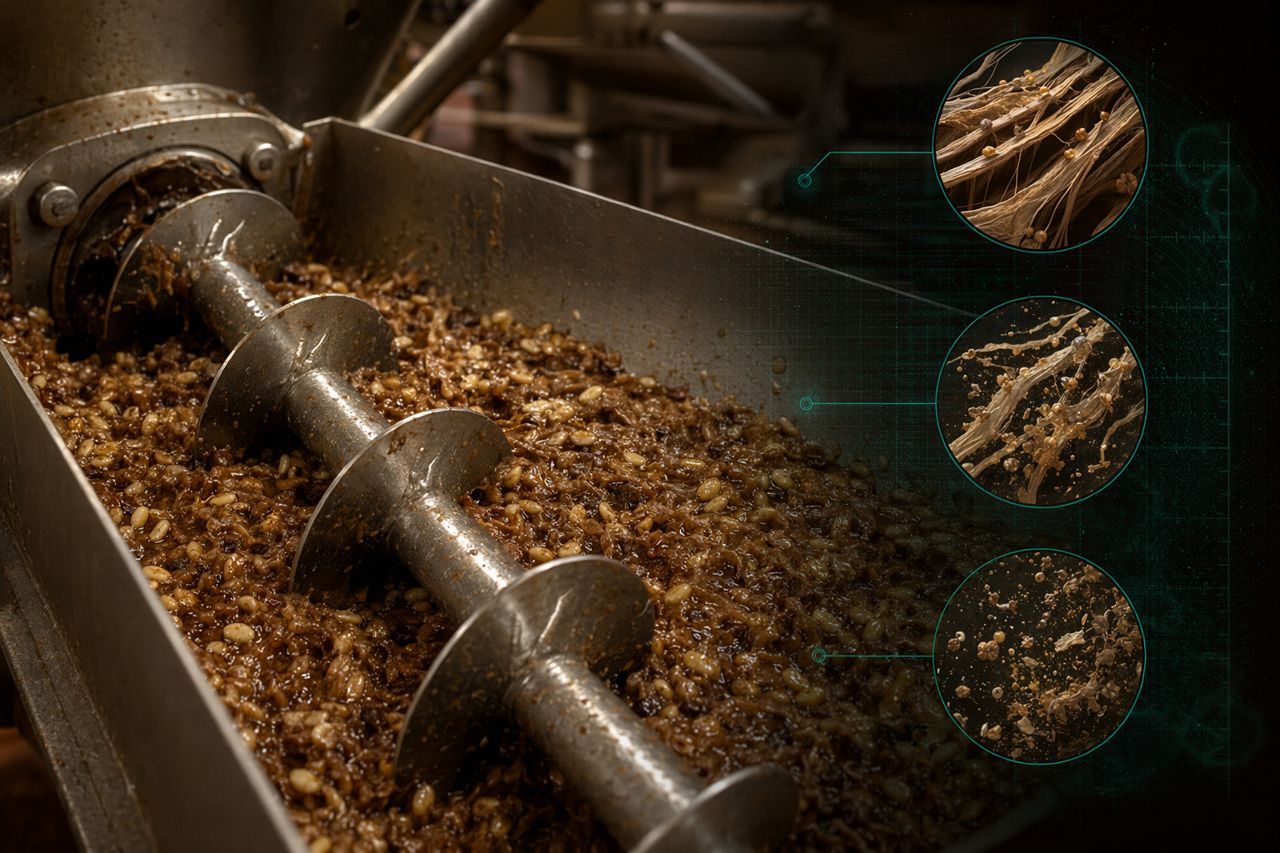
Coffee materials can be difficult to process because they contain pectin-rich mucilage, structured cell-wall material, mannans, polyphenols, suspended solids, and extract components that change with origin, roast condition, grind profile, and upstream handling.
For production managers, the questions are direct:
- Can the process release more usable soluble material?
- Can viscosity be reduced enough to improve pumping, heat transfer, and evaporation behavior?
- Can filtration run longer before pressure rise or blinding?
- Can the line maintain consistency across raw material variation?
- Can enzyme use be validated without disrupting the production schedule?
Enzymeforcoffee works around those commercial outcomes.
Four enzyme families used in coffee processing
Pectinase for mucilage breakdown and separation support
Pectinase is commonly used where pectin-rich coffee mucilage creates separation, washing, or solids-handling challenges. In wet processing and related streams, pectinase can help break down the structural components that hold mucilage together.
Potential plant benefits include:
- Faster mucilage loosening under controlled process conditions
- Cleaner separation of coffee solids and surrounding material
- Reduced dependence on extended holding or aggressive mechanical handling
- More consistent downstream washing and liquid management
- Improved control where raw coffee variability affects processing time
Pectinase selection should consider the substrate condition, available residence time, temperature window, pH range, water management, and the production team’s target for separation quality.
Cellulase for cell-wall assistance and soluble release
Cellulase supports processes where cell-wall structure limits extraction or solids release. In coffee extraction systems, cellulase can assist the breakdown of cellulose-associated structures, helping make soluble material more accessible.
For coffee plants, this may support:
- Improved extractability from prepared coffee solids
- Better utilization of incoming material
- Reduced reliance on harsher mechanical or thermal conditions
- More controlled solids behavior during extraction
- Improved consistency where particle structure varies by input stream
Cellulase is not a universal yield lever. It should be evaluated against the actual coffee matrix, process temperature, extraction sequence, residence time, and downstream quality targets.
Mannanase for viscosity control in extraction systems
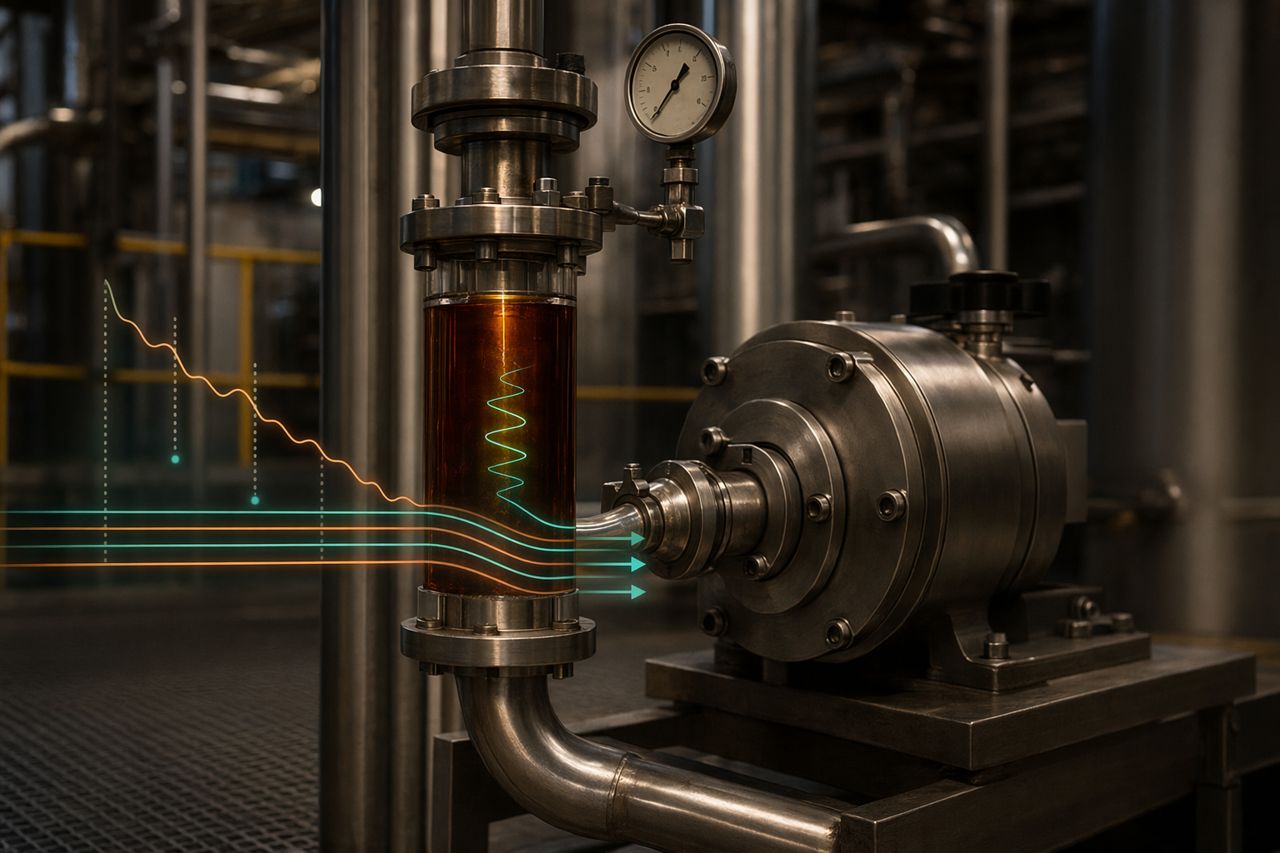
Mannans and related polysaccharides can contribute to viscosity in coffee extract streams. Elevated viscosity can create practical issues across pumping, heat transfer, filtration, concentration, and transfer operations.
Mannanase is used to help manage these polysaccharide-related viscosity challenges.
Common process goals include:
- Lower extract viscosity within the required operating window
- Improved pumpability through stainless process lines
- More stable flow into filtration or separation equipment
- Reduced filter loading pressure trends
- Better behavior during evaporation or concentration
- Smoother handling of high-solids extract streams
For many soluble coffee and extract operations, mannanase evaluation is tied directly to line performance: flow rate stability, pressure development, filtration cycle length, heat transfer behavior, and usable solids recovery.
Tannase for polyphenol-related processing challenges
Coffee contains polyphenolic compounds that can affect color, haze tendency, complex formation, and downstream consistency. Tannase can be considered where polyphenol-related behavior creates processing or quality-control challenges.
Tannase support may be relevant when plants are working on:
- Haze or stability issues in clarified coffee extracts
- Color or appearance consistency in processed coffee ingredients
- Polyphenol interactions that affect filtration or separation behavior
- Downstream performance in concentrated or blended coffee systems
- More predictable finished extract characteristics
The correct use case depends on the product target. Enzymeforcoffee helps determine whether tannase is a process-fit tool or whether another enzyme family is better aligned to the plant objective.
Where enzymes fit in a coffee processing line
Enzymes can be evaluated across several coffee factory stages, depending on the product and process design:
| Process area | Typical challenge | Relevant enzyme families |
|---|---|---|
| Wet coffee handling | Mucilage removal and separation consistency | Pectinase |
| Green or prepared coffee material | Structured cell-wall resistance | Cellulase |
| Extraction systems | Solids release, viscosity, extractability | Cellulase, mannanase |
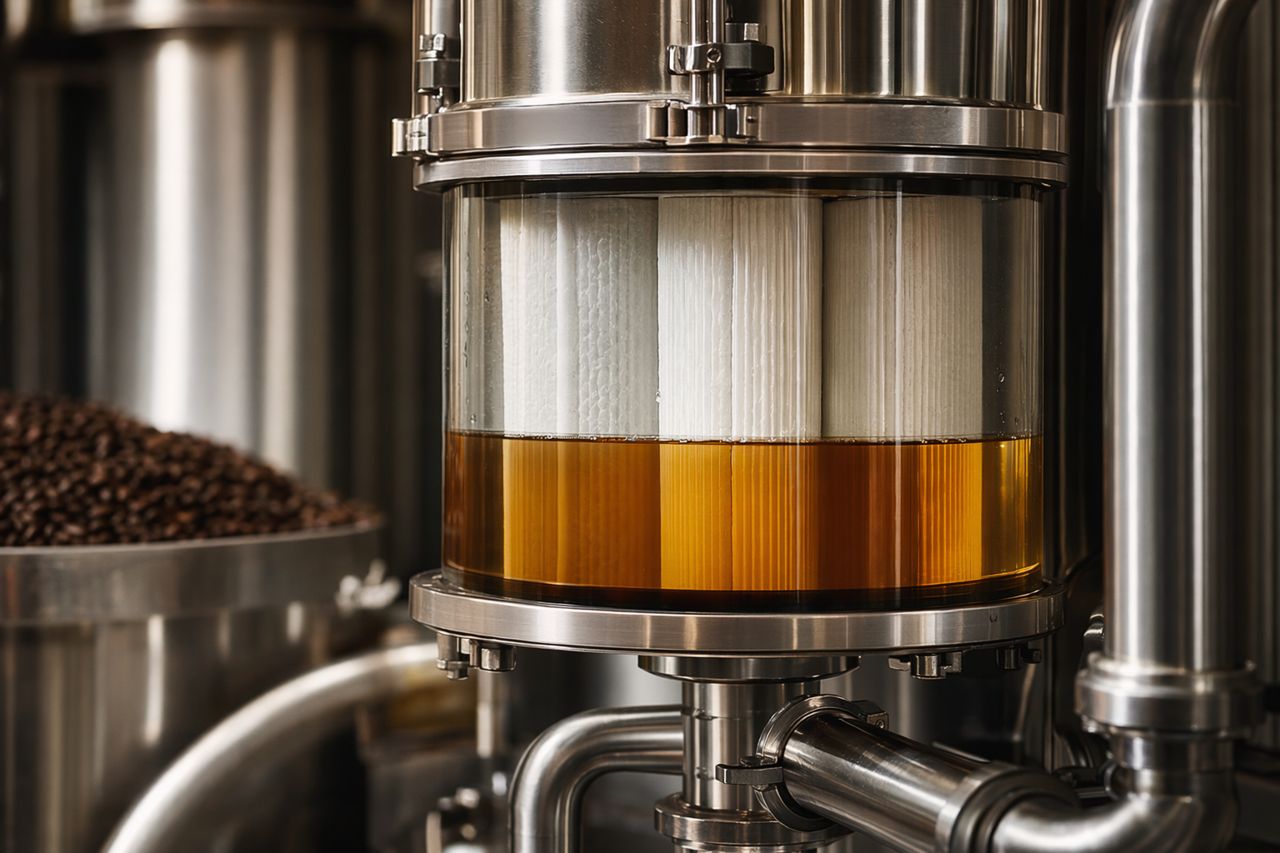
| Clarification and filtration | Filter loading, haze tendency, suspended material behavior | Pectinase, mannanase, tannase |
| Concentration and evaporation | Viscosity, flow stability, heat transfer behavior | Mannanase |
| Finished extract control | Appearance, stability, process consistency | Tannase, targeted blends |
Built for production validation, not guesswork
A useful coffee enzyme program needs more than a product name. It needs process alignment.
Enzymeforcoffee supports validation around:
- Raw material type and variability
- Roast or pre-treatment condition where relevant
- Grind and particle profile where relevant
- Addition point and mixing conditions
- Temperature and pH operating window
- Holding time available in the existing line
- Downstream filtration, separation, or concentration limits
- Quality requirements for color, aroma impact, clarity, and extract profile
- Production metrics such as yield, flow, pressure trend, cycle time, and downtime
We avoid overcomplicating the plant trial. The objective is to define a controlled enzyme approach that your team can test, measure, and scale with confidence.
What buyers can expect from Enzymeforcoffee
Commercially direct enzyme selection
We help identify whether the process problem is primarily pectin, cell-wall structure, mannans, polyphenol behavior, or a combination. That prevents unnecessary trial work and keeps the evaluation focused.
Support for existing equipment
Most coffee plants are not looking to redesign the line. We focus on enzyme placement that works with existing tanks, extractors, holding steps, filtration systems, separators, evaporators, and transfer equipment where possible.
Practical performance targets
Typical targets include:
- Higher usable extraction yield
- Lower viscosity in critical streams
- Longer filtration cycles
- Faster separation or washing behavior
- Reduced process variability
- Lower downtime linked to fouling, pressure rise, or flow restriction
- More consistent extract handling before concentration or packaging
Documentation for internal review
Technical and purchasing teams often need a clear basis for approval. We can support internal evaluation with product rationale, handling guidance, application notes, trial planning, and process-specific recommendations.
Choosing the right enzyme supplier for coffee processing
When selecting an enzyme supplier for coffee processing, look for a partner that understands both the chemistry and the operating consequences. The right choice should help your team connect enzyme function to measurable factory outcomes.
Key questions to ask:
- Which coffee stream is the enzyme intended to improve?
- Is the target yield, viscosity, filtration, separation, stability, or consistency?
- Can the enzyme operate within the plant’s current temperature and pH conditions?
- Where will it be added, and how will it be mixed?
- What downstream step could be affected positively or negatively?
- What plant metric will confirm success?
- What documentation is needed before production approval?
Enzymeforcoffee is built to answer those questions with plant-floor clarity.
Request a quote for coffee processing enzymes
If your plant is evaluating pectinase, cellulase, mannanase, tannase, or a tailored enzyme approach for coffee processing, send us the process details you already have.
Useful information includes:
- Coffee material or extract type
- Current processing step and bottleneck
- Target outcome: yield, viscosity, filtration, separation, stability, or consistency
- Operating temperature and pH range
- Available residence time
- Existing equipment constraints
- Trial scale and expected production scale
Request a quote using the on-site form and Enzymeforcoffee will respond with a process-focused recommendation.