Coffee Wet Mill Enzyme Supplier for Washed Coffee Operations
Enzymeforcoffee supplies enzyme solutions for coffee wet mills that need more controlled mucilage removal, cleaner washing, and more predictable batch timing.
For washed coffee operations, mucilage is not just a quality variable. It is a scheduling variable, a water-use variable, a tank-capacity variable, and a consistency variable. When mucilage release is slow or uneven, the plant absorbs the cost through longer residence time, extra washing, delayed tank turnover, inconsistent lots, and more operator intervention.
Enzymeforcoffee supplies wet mills, washing stations, coffee exporters and the distributors who serve them in wholesale and bulk volumes, and helps their teams select and validate enzyme programs for depulped coffee, fermentation tanks, controlled soaking and wash optimization.
Wholesale and bulk supply, quoted per order. For wet mills, washing stations, exporters and resellers. To get a quote, send the product or process step, the quantity you expect to use, and the destination country. Request a quote
Built Around Wet Mill Bottlenecks
Slow mucilage release
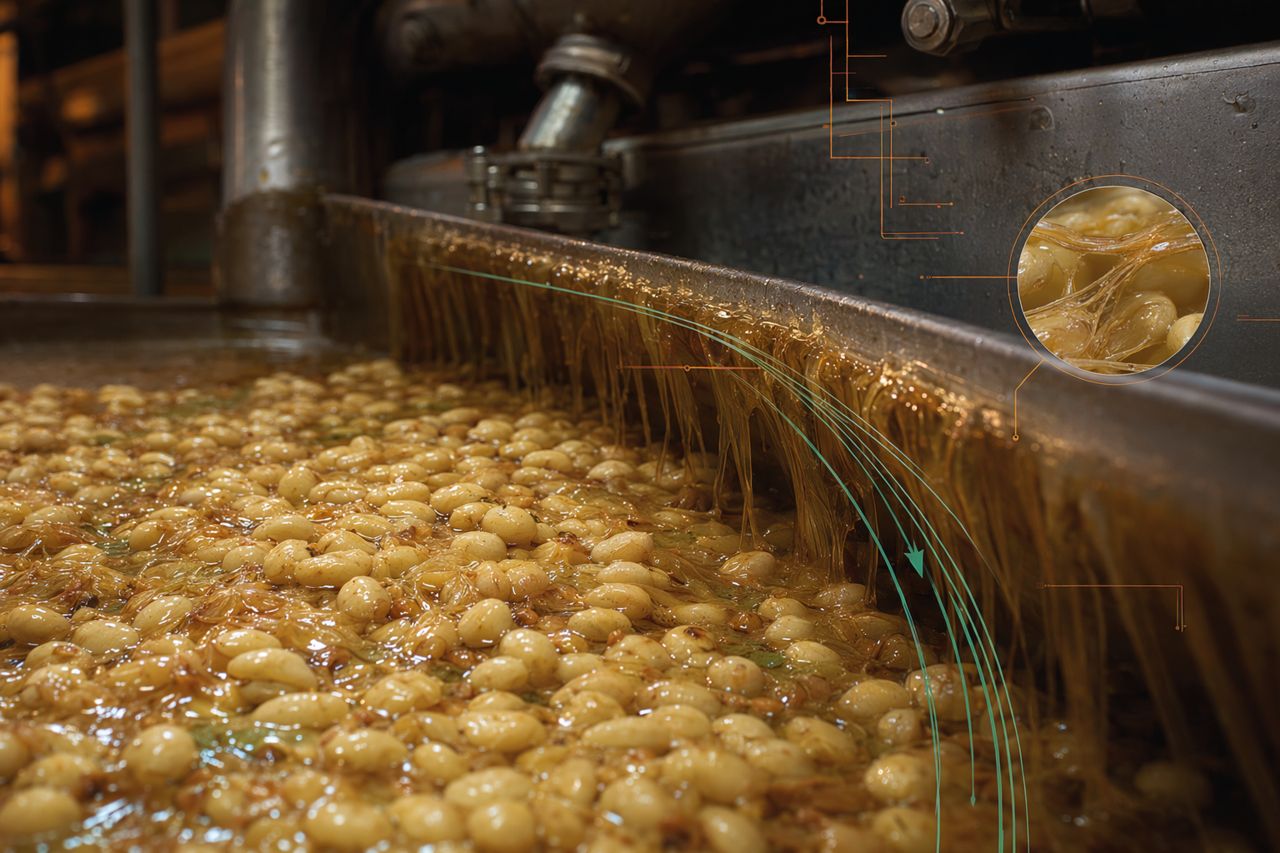
Wet mills often lose time when mucilage remains attached after the expected hold period. Enzyme-assisted mucilage breakdown can support faster release and cleaner separation, helping teams reduce bottlenecks before washing and drying.
Inconsistent fermentation timing
Natural variation in cherry condition, maturity, ambient conditions, and incoming lot profile can create uneven tank behavior. A controlled enzyme program gives processing managers another lever to stabilize batch progression and reduce surprise delays.
High washing burden
When mucilage removal is incomplete, washing stages carry the load. That can increase rinse time, labor demand, water movement, and solids management. Enzymeforcoffee helps wet mills evaluate enzyme use where cleaner mucilage separation can reduce wash intensity.
Tank scheduling pressure
Every extended batch affects the next intake. Enzyme-supported wet milling can help improve tank availability, line planning, and lot movement during peak harvest periods.
Batch-to-batch variability
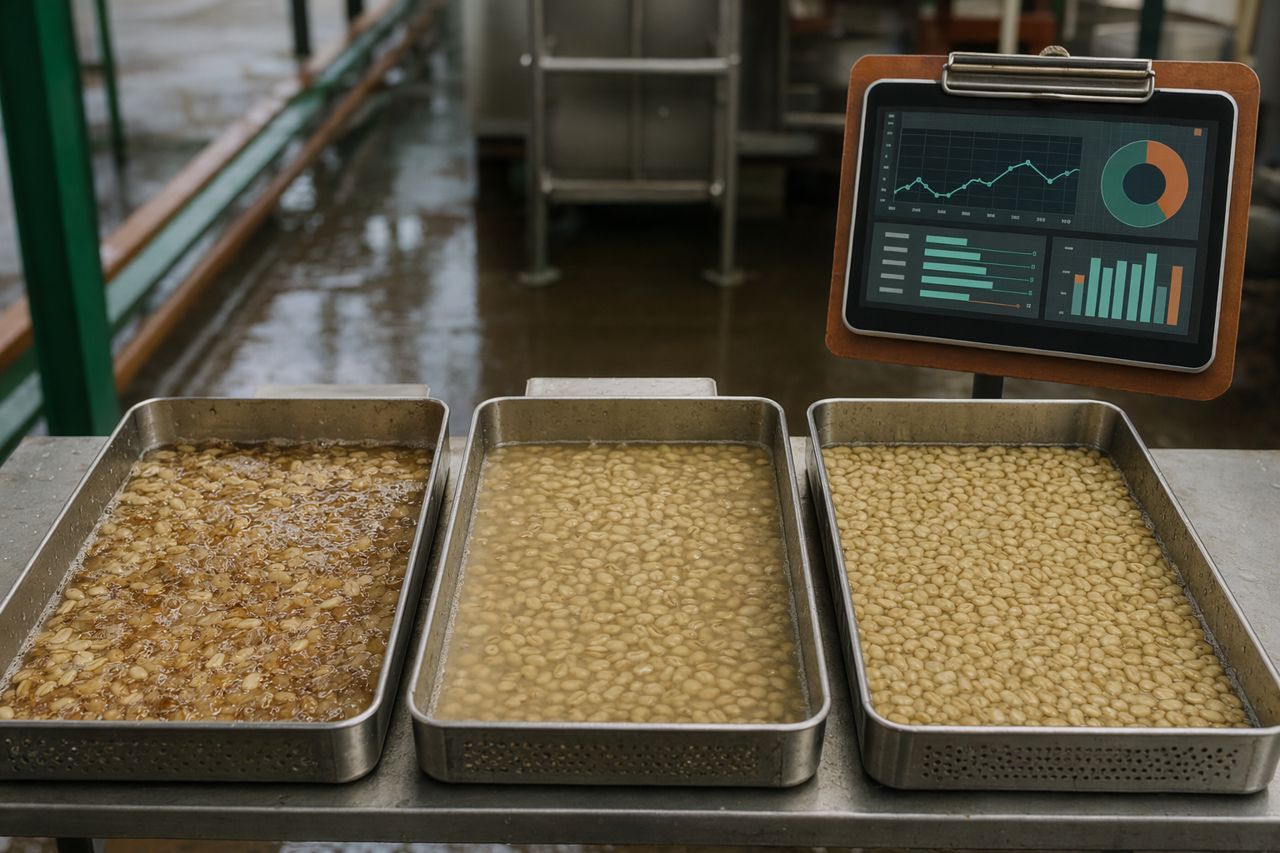
The target is not only speed. The target is repeatable processing. We support trials that compare enzyme-treated and standard batches against your operational markers: mucilage feel, rinse clarity, lot handling, residence time, operator notes, and downstream consistency.
What Enzymeforcoffee Supplies
Enzymeforcoffee provides coffee wet mill enzyme solutions selected for practical use in washed coffee operations. Programs may be configured around:
- Depulped coffee mucilage breakdown
- Fermentation tank support
- Controlled soaking or rinse-stage support
- Wet mill wash burden reduction
- More predictable lot release timing
- Process consistency across seasonal variation
- Multi-site wet mill standardization
We do not approach wet mill enzymes as a catalog item alone. We help define where the enzyme enters the process, how it is mixed, what operators should observe, and how performance should be compared against the current method.
Commercial Value for Processing Managers
Improve throughput without major equipment changes
In many wet mills, the constraint is not a single machine. It is the time required for mucilage to release enough for the next stage. Enzyme support can help shorten practical batch cycles and improve use of existing tanks and washing assets.
Reduce avoidable downtime and waiting
When batches overrun expected timing, operators wait, tanks stay occupied, and receiving schedules tighten. A more controlled mucilage release process helps reduce variability that can disrupt daily production planning.
Support water and rinse efficiency
Cleaner mucilage separation can reduce the burden on wash channels, mechanical washers, and rinse steps. The result can be a more manageable wash process with clearer operational endpoints.
Protect consistency targets
Washed coffee quality depends on control. Enzyme programs should support process quality without pushing operators into guesswork. We help align use conditions with your desired lot handling, rinse profile, and final process standard.
Application Areas in the Wet Mill
After depulping
Enzyme application can be evaluated after pulp removal, where mucilage remains attached to parchment coffee. The goal is controlled breakdown that improves release without complicating lot handling.
In fermentation tanks
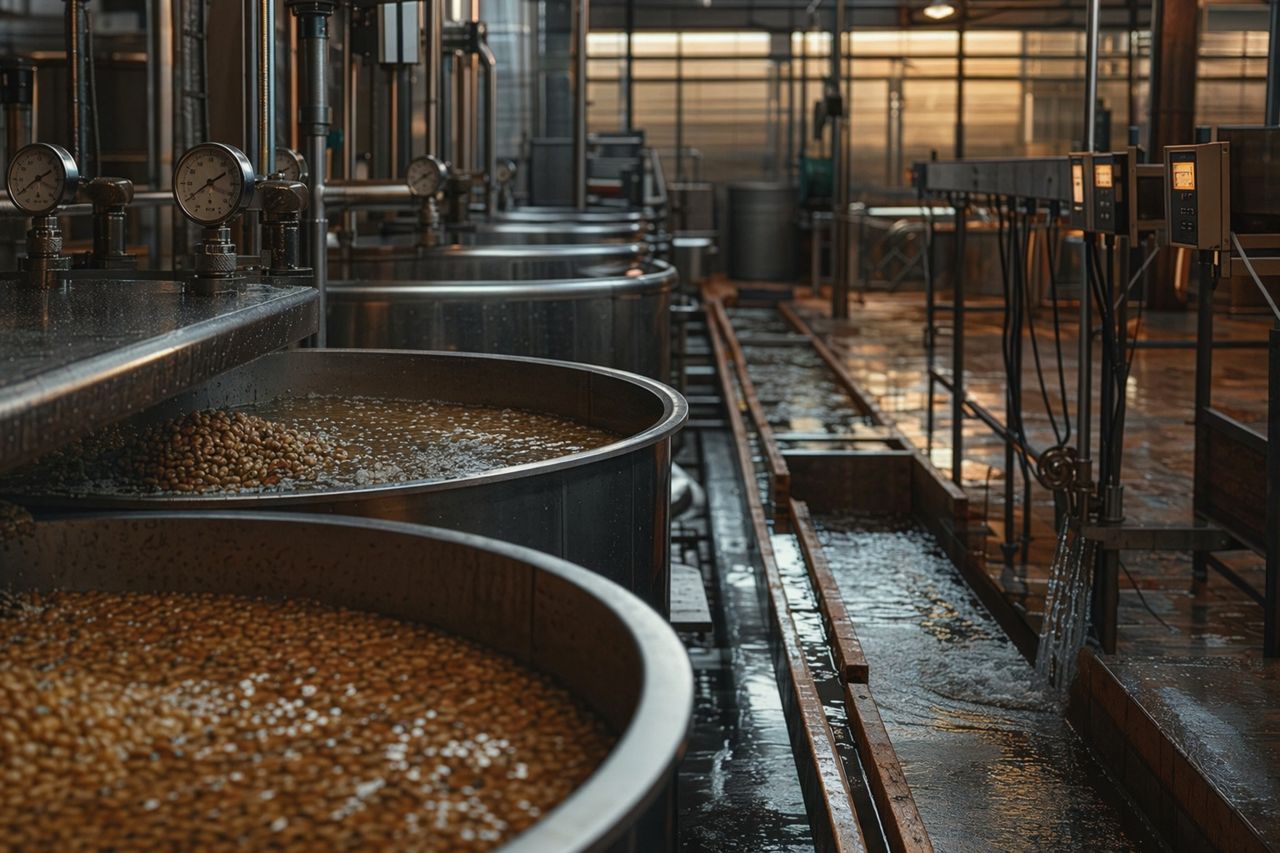
For tank-based washed processes, enzyme support may help operators manage residence time and improve batch predictability. Enzymeforcoffee can support trial design for standard tanks, segmented lots, or comparative runs.
Before washing
A targeted enzyme step before washing may help reduce the physical work required to remove loosened mucilage. This can support better washer performance and more consistent rinse endpoints.
Across multiple wet mills
For groups operating more than one wet mill, we can support a repeatable rollout plan with process notes, operator guidance, and documentation templates so each site works from the same technical basis.
How We Support Validation
Wet mill enzyme adoption should be proven in your process, not assumed from a generic claim. Enzymeforcoffee supports a practical validation path:
- Review current wet mill flow, bottlenecks, and quality targets.
- Identify the best addition point and batch comparison structure.
- Define operator-observable checkpoints such as mucilage release, rinse behavior, lot movement, and handling consistency.
- Run side-by-side or staged trials against the existing process.
- Review operational outcomes with production, quality, and procurement stakeholders.
- Build a repeatable use plan for commercial adoption.
This gives buyers a clearer basis for approval: not just whether the enzyme works, but whether it improves the wet mill’s actual operating economics.
What to Share When Requesting a Quote
To help us recommend the right wet mill enzyme program, include as much of the following as possible:
- Coffee type and processing style
- Current depulping and mucilage removal method
- Main bottleneck: release time, washing, tank capacity, variability, or labor
- Typical batch flow and tank sequence
- Existing fermentation or soak practice
- Washing setup and rinse challenges
- Seasonal variation concerns
- Trial location and intended evaluation window
- Any internal quality or sustainability targets
If some details are not available, send what you have. We can help structure the next questions.
Why Enzymeforcoffee
Enzymeforcoffee is built for industrial buyers who need technical clarity and commercial follow-through. Our work with coffee processing plants focuses on practical enzyme selection, wet mill validation, operator usability, and reliable supply planning.
You get a supplier conversation centered on the plant floor: throughput, tank turns, rinse performance, consistency, and adoption support.
Request a Quote
If your wet mill is evaluating enzyme support for washed coffee production, contact Enzymeforcoffee through the inquiry form. Tell us where mucilage removal is slowing the process, the quantity you expect to need for the harvest, and the destination country, and we will reply with a recommendation and a quote prepared for your order.