Enzyme supplier for coffee processing
Parchline Catalytics supplies enzyme solutions built for coffee processing plants that need cleaner separation, steadier extraction, lower viscosity, and fewer throughput bottlenecks.
From wet-process mucilage management to industrial extract clarification, our role is practical: help your team move coffee through the plant with more predictable behavior, better filtration, and validation support that fits production reality.
Built for plant-floor coffee processing
Coffee is a variable raw material. Parchment condition, mucilage load, origin, storage age, grind profile, roast degree, and extraction temperature can all change how material behaves in tanks, separators, filters, and evaporators.
Our enzyme programs are selected for the processing step, not sold as generic additives. We help match enzyme type, handling format, dosing strategy, and trial plan to your line conditions.
Typical applications include:
- Faster and more consistent mucilage breakdown in wet processing
- Improved pulp and fiber separation behavior
- Lower viscosity in coffee extract streams
- Higher soluble recovery from roasted and ground coffee
- Better filterability and reduced filter loading
- More stable clarification before concentration or drying
- Process consistency across seasonal raw-material shifts
Where enzymes create commercial value
Mucilage removal and wet-process control
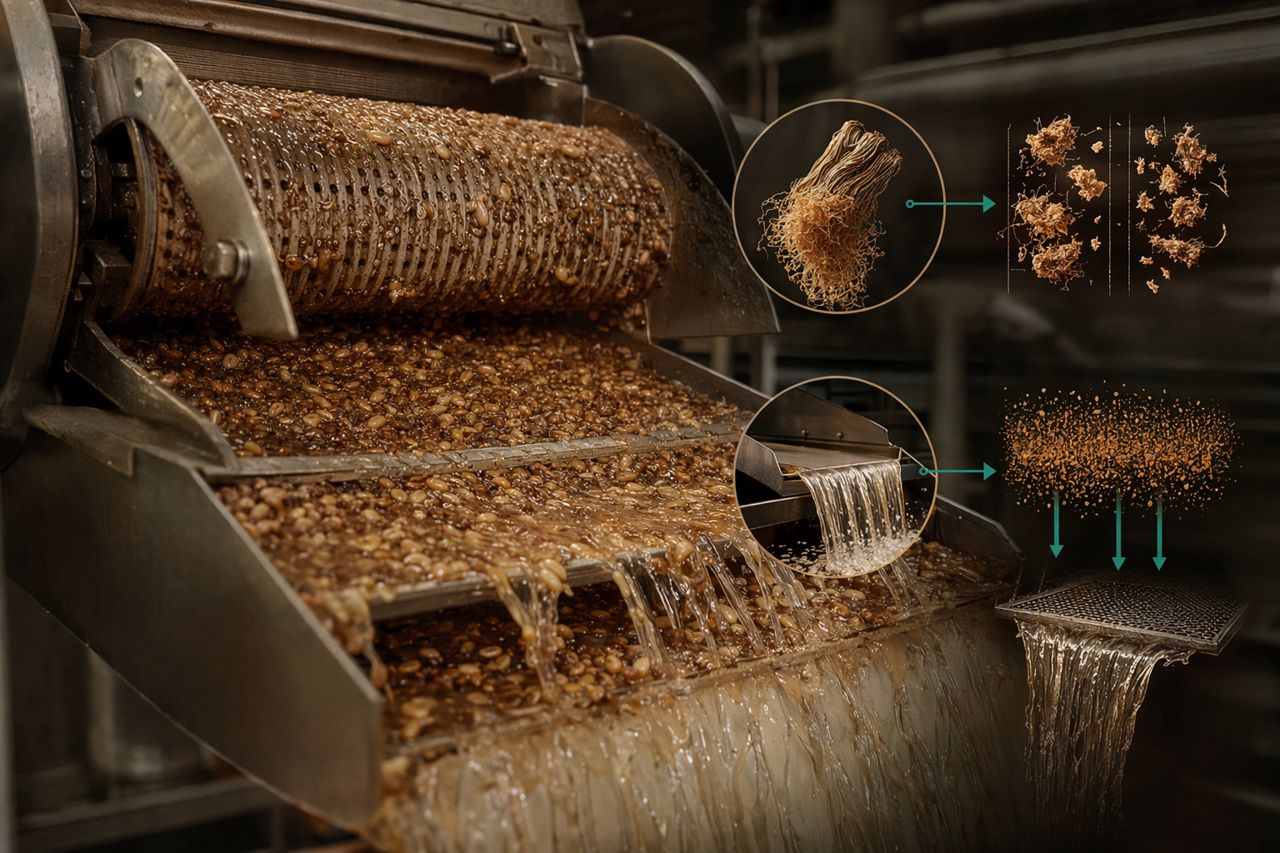
Pectin-rich mucilage can slow washing, increase water demand, and create inconsistent parchment handling. Targeted pectinolytic enzyme support can help loosen mucilage structure, reduce hold-time variability, and improve downstream washing efficiency.
For processing managers, the goal is not novelty. It is cleaner separation, repeatable timing, and better control when cherry quality or incoming lots change.
Extraction yield and soluble recovery
In soluble coffee, ready-to-drink coffee, concentrate, and ingredient production, cell-wall and matrix effects can limit extraction performance. Enzyme-assisted processing can support improved soluble release while helping maintain manageable flow characteristics.
The result can be a more predictable extraction window, stronger mass-balance performance, and better use of roasted material.
Viscosity reduction and pumpability
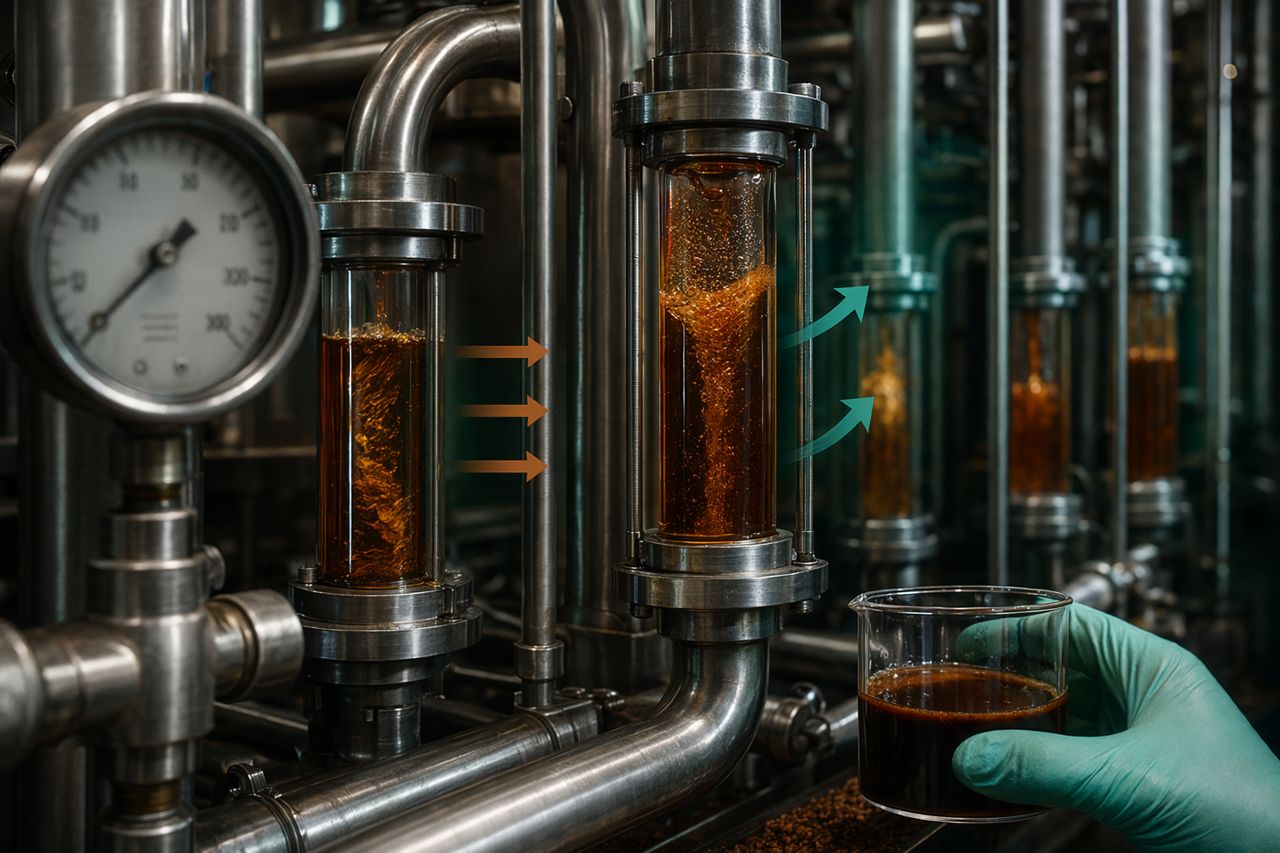
High-solids coffee extracts can become difficult to move, heat, filter, and concentrate. Enzyme selection can be used to reduce problematic polysaccharide-driven viscosity and improve line behavior before filtration, evaporation, or drying.
Lower viscosity can support:
- Smoother pumping
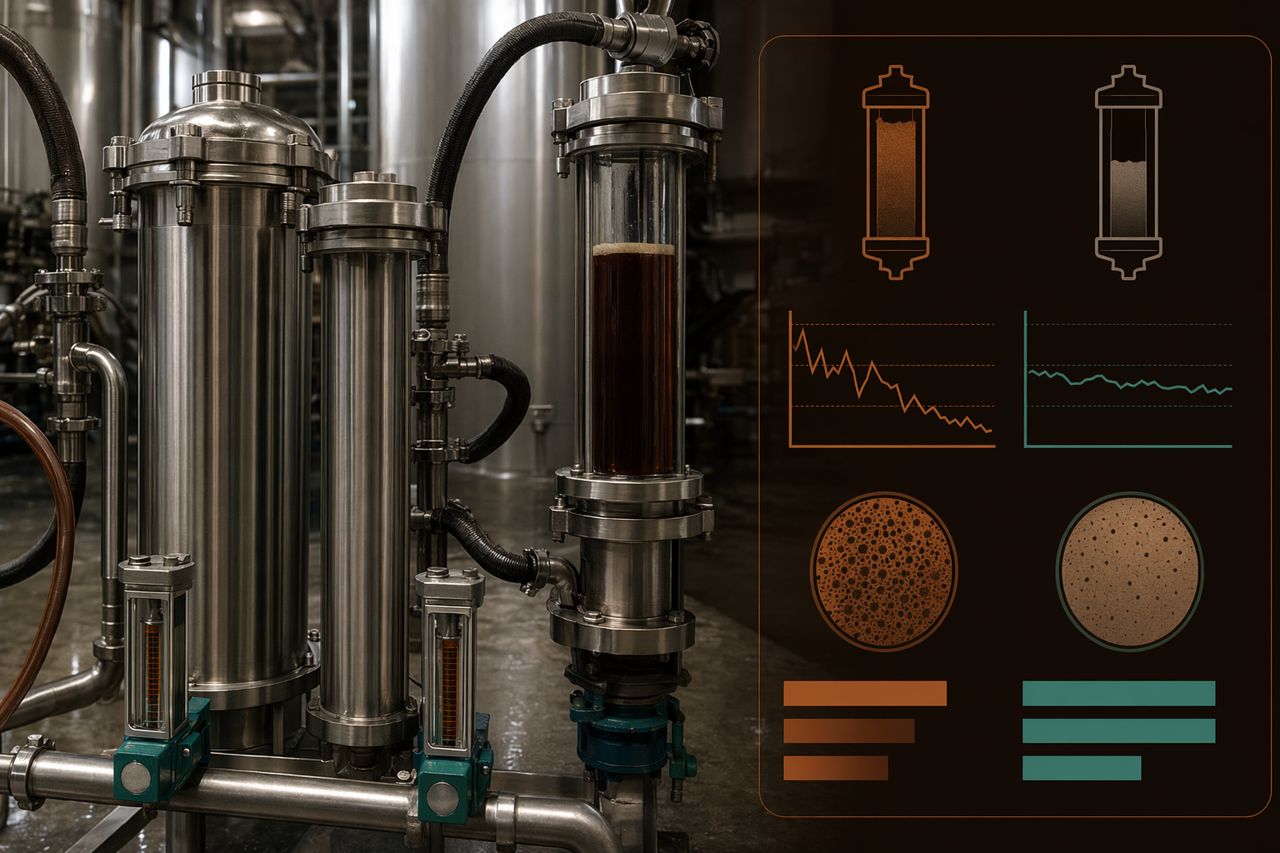
- Reduced pressure stress across filters
- More stable heat transfer
- Fewer slowdowns during concentration
- Better consistency between batches
Filtration and clarification support
Fine particles, colloidal material, and soluble polysaccharides can increase filter loading and create inconsistent clarity. Enzymes can help condition the stream before filtration so the system runs closer to target pressure, flow, and cycle length.
This is especially valuable where filter change frequency, downtime, or variable extract behavior is limiting plant capacity.
Coffee enzyme categories we support
Parchline Catalytics can support enzyme programs involving:
- Pectinase systems for mucilage and pectin breakdown
- Cellulase and hemicellulase systems for plant-cell-wall conditioning
- Beta-glucanase support where viscosity contribution is relevant
- Protease support where protein-related haze, body, or filtration behavior must be evaluated
- Blended enzyme systems designed around coffee extraction, clarification, or separation targets
We help define the processing intent before recommending a product. That keeps trials focused on measurable plant outcomes: yield, viscosity, filtration rate, hold time, water use, downtime, and repeatability.
Designed for validation, not guesswork
A good enzyme trial should answer production questions quickly. We support purchasing, QA, and processing teams with a practical validation structure.
A typical project includes:
- Process mapping: raw material, target step, temperature window, hold time, pH range, solids level, and downstream constraint
- Objective setting: yield lift, viscosity reduction, filtration improvement, mucilage removal, or cycle-time reduction
- Bench or pilot guidance: small-scale comparison against current process conditions
- Plant trial planning: addition point, mixing, hold strategy, sampling points, and stop/go criteria
- Commercial quote: kilo-based supply options aligned to expected usage and batch cadence
Why processing teams work with Parchline Catalytics
- Coffee-specific application thinking, not broad commodity positioning
- Commercially direct quote support for kilo-scale purchasing
- Practical handling guidance for plant teams
- Trial plans built around measurable production outcomes
- Support for consistency across crop, origin, roast, and extract variation
- Clear documentation support for internal technical and purchasing review
Applications across coffee operations
Wet coffee processing plants
Support mucilage loosening, washing efficiency, and parchment handling consistency where fermentation timing, water use, or separation quality must be controlled.
Soluble coffee and extract plants
Support extraction yield, viscosity management, clarification, and concentration performance in hot-water extraction and downstream processing.
Coffee ingredient manufacturers
Support repeatable extract quality, filtration behavior, and process economics for liquid coffee ingredients, concentrates, and spray-dried or freeze-dried coffee bases.
Faceless explainer video
A one-minute explainer can be embedded here to show the enzyme pathway from coffee substrate to improved flow, filtration, and extraction control. The visual style should use macro coffee material, stainless processing equipment, animated process overlays, pressure ticks, and amber extract movement with no presenter or avatar.
Request a quote
Tell us what your plant is trying to improve: mucilage removal, extraction yield, viscosity, filtration, clarification, or overall throughput. We will respond with a focused enzyme recommendation and kilo-based quote path for your process.